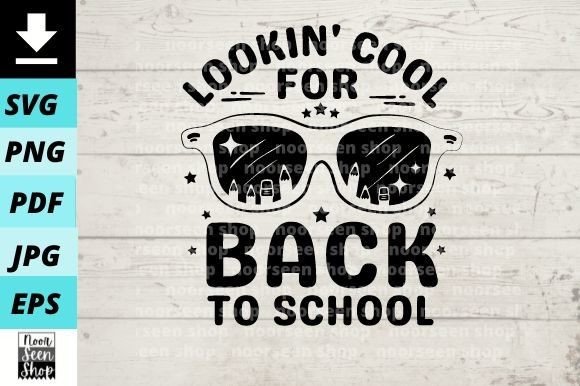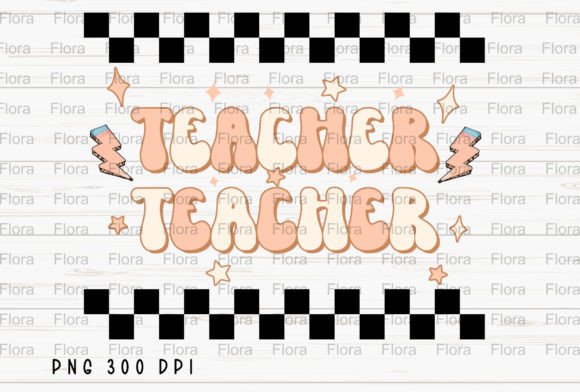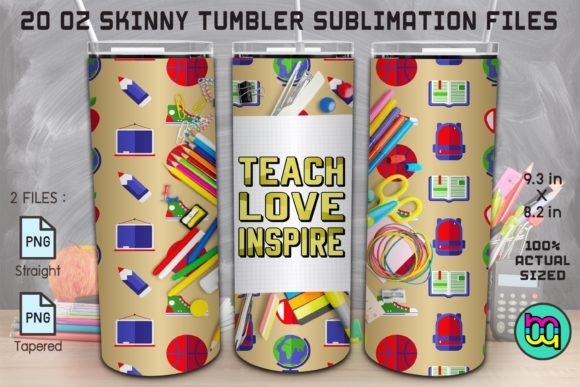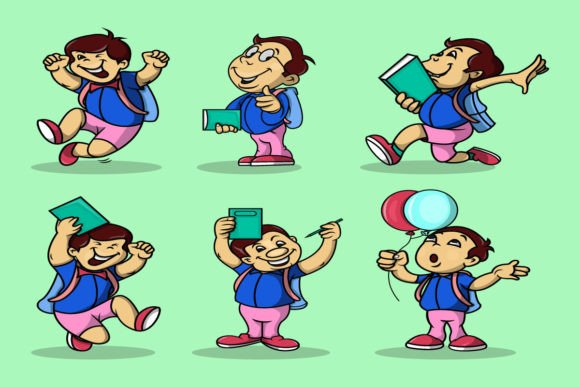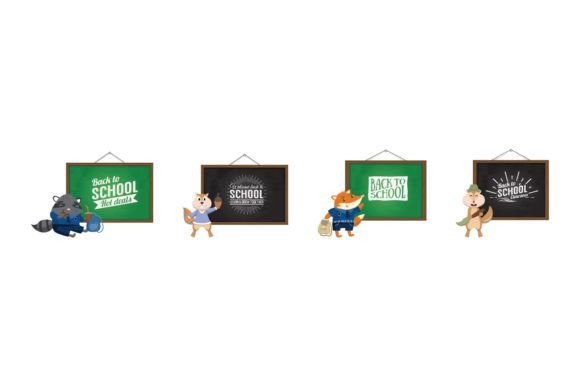
Back to School Concept: A Comprehensive Guide to Design Files for Modern Use
The Back to School Concept is more than just a seasonal shift; it’s a strategic opportunity for educators, students, and businesses to refresh their approach to learning and productivity. Whether you’re preparing for the academic year or planning a new project, having the right design files can make all the difference. From AI and SVG files to transparent PNGs, JPGs, and EPS formats, each type offers unique benefits that cater to different needs.
Understanding the Back to School Concept Through Design Files
The Back to School Concept often involves visual elements that inspire motivation, organization, and creativity. These elements are typically represented through high-quality design files that can be easily customized and integrated into various platforms. For instance, an AI file allows for scalable vector graphics that maintain clarity at any size, making it ideal for creating logos, banners, or promotional materials.
Similarly, SVG files offer flexibility and compatibility across devices and browsers. They are perfect for digital campaigns, interactive content, and web-based projects. The transparency of PNG files makes them a go-to choice for backgrounds, icons, and overlays that need to blend seamlessly with other designs. Meanwhile, JPG files provide excellent quality for photographs and images that require high resolution without the need for transparency.
EPS files, on the other hand, are widely used in print media due to their ability to retain vector data while supporting complex illustrations. This makes them particularly useful for creating brochures, posters, and other printed materials that require precision and detail.
Choosing the Right File Format for Your Needs
When selecting design files for the Back to School Concept, it’s essential to consider the intended use. For digital marketing campaigns, SVG or PNG files may be the best option due to their adaptability and ease of use. If you’re working on a print project, EPS or AI files might be more suitable for their scalability and professional-grade output.
Additionally, the canvas size of 1920 px x 1280 px ensures that your designs are optimized for both desktop and mobile viewing. This resolution is ideal for social media posts, website banners, and presentations that require a clear and sharp display. By choosing the right file format and canvas size, you can ensure that your Back to School Concept is visually compelling and functionally effective.
Practical Applications of the Back to School Concept in Daily Life
The Back to School Concept isn’t limited to educational settings. It can also be applied to personal and professional development. For example, individuals looking to improve their skills or start a new hobby can benefit from using design files that reflect the concept’s themes of growth and renewal.
In a business context, companies often use the Back to School Concept to launch new products, update branding, or create promotional materials that resonate with a fresh audience. By leveraging the right design files, businesses can communicate their message effectively while maintaining a cohesive visual identity.
For students, the Back to School Concept can help organize their schedules, set goals, and stay motivated throughout the academic year. Using design files such as planners, calendars, and study guides can make the process more engaging and manageable.
Key Considerations When Working with Design Files
Before finalizing your design files, it’s important to evaluate their quality, compatibility, and usability. High-resolution files ensure that your designs look sharp on all devices, while well-structured files allow for easy editing and customization. Additionally, considering the file format’s compatibility with your software or platform can save time and prevent technical issues.
Another factor to consider is the accessibility of the design. Ensuring that your files are user-friendly and adaptable to different screen sizes and resolutions can enhance the overall experience for your audience. This is especially important when designing for the Back to School Concept, as it often involves a wide range of users with varying needs and preferences.
How the Back to School Concept Enhances Workflow and Productivity
Integrating the Back to School Concept into your workflow can lead to improved efficiency and better results. By organizing your tasks, setting clear objectives, and using design files that align with the concept’s principles, you can streamline your processes and achieve your goals more effectively.
For example, educators can use design files to create lesson plans, classroom decorations, and student resources that support a structured and engaging learning environment. Similarly, professionals can leverage these files to develop training materials, project timelines, and team collaboration tools that promote productivity and innovation.
The Back to School Concept also encourages a mindset of continuous improvement. By regularly reviewing and updating your designs, you can ensure that they remain relevant and effective over time. This proactive approach not only enhances your work but also fosters a culture of growth and adaptability.
Recommendations for Maximizing the Back to School Concept
To get the most out of the Back to School Concept, consider the following recommendations. First, invest in high-quality design files that meet your specific needs and requirements. Whether you choose AI, SVG, PNG, JPG, or EPS formats, ensure that they are versatile and easy to work with.
Second, take advantage of the 1920 px x 1280 px canvas size to create designs that are optimized for modern devices and platforms. This will help you reach a broader audience and deliver a consistent visual experience across different mediums.
Finally, stay informed about the latest trends and best practices related to the Back to School Concept. By keeping up with industry developments and user feedback, you can refine your approach and continue to deliver impactful and meaningful designs.