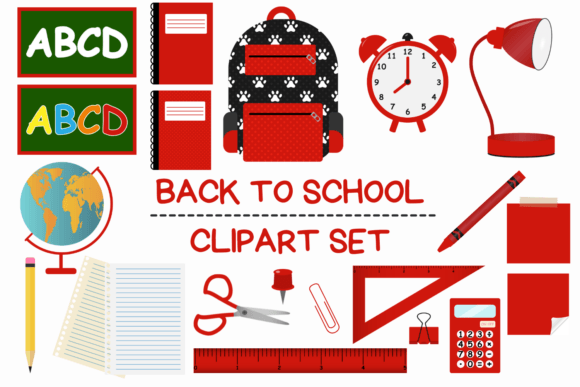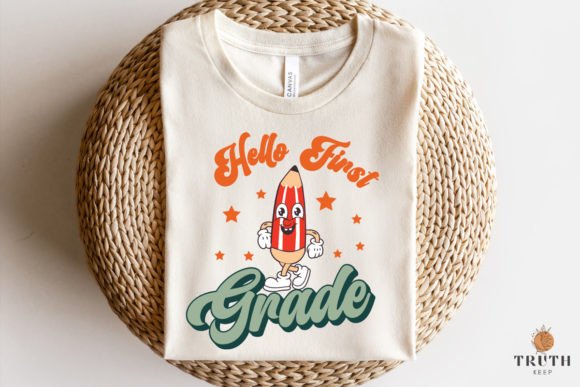
Hello First Grade Svg, Back to School Svg: A Practical Guide for Digital Designers and Educators
For educators, creators, and small business owners, digital design assets like Hello First Grade Svg and Back to School Svg can play a key role in streamlining project workflows. These SVG files are designed for use with cutting machines, graphic design software, and more, making them versatile tools for a wide range of applications. Whether you're preparing classroom materials, creating promotional items, or designing custom products, understanding how to integrate these files into your process is essential.
Understanding the File Formats and Their Uses
The Hello First Grade Svg and Back to School Svg package includes multiple file formats to suit different needs. The primary format is an SVG (Scalable Vector Graphics) file, which is ideal for use with Cricut Design Space and other digital cutting tools. This format ensures high-quality output at any size, making it perfect for crafting projects, signage, and more. In addition, you'll find a PNG file with a transparent background and a JPG file, both of which are useful for graphic design and digital publishing.
Each file type serves a specific purpose. For instance, the PNG file is great for web use or social media posts where transparency is needed, while the JPG version is suitable for print or situations where a solid background is preferred. Understanding the strengths of each format helps you choose the right one for your specific task.
Integrating Hello First Grade Svg Into Your Workflow
Whether you're planning a school event, launching a product line, or working on a personal creative project, Hello First Grade Svg and Back to School Svg can fit naturally into your workflow. Before starting a project, these files can help you visualize ideas, create mockups, or plan layouts. During execution, they serve as templates or components that can be customized and combined with other elements. After completion, they may be used for documentation, future reference, or repurposing in new designs.
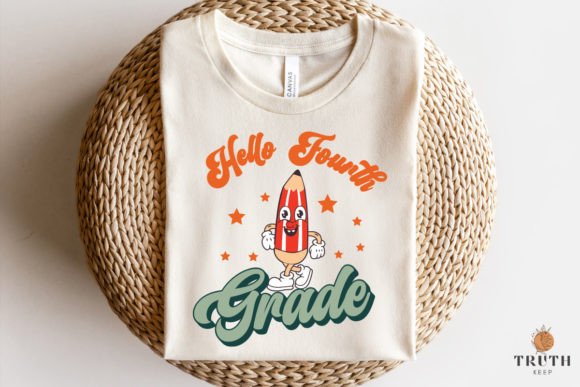
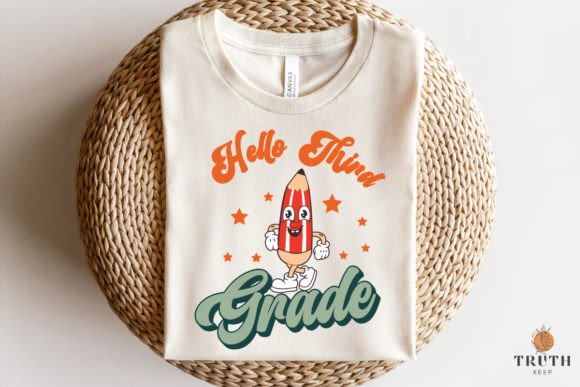
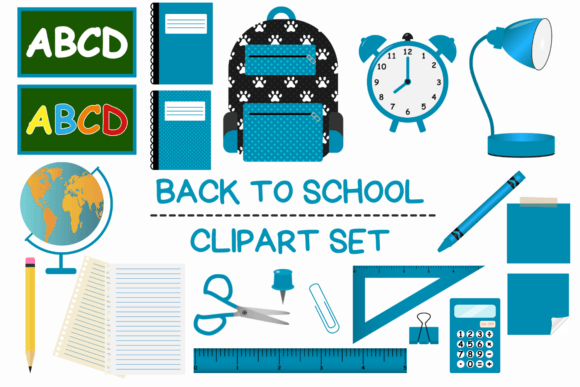
For example, a teacher might use the Back to School Svg to create personalized name tags or classroom decorations. A small business owner could incorporate the Hello First Grade Svg into a marketing campaign for a children's product. In both cases, the SVG format allows for easy scaling and editing, ensuring consistency across different mediums.
Compatibility and Preparation
Before using these files, it's important to verify compatibility with your software and hardware. Programs like Cricut Design Space, Inkscape, Adobe Photoshop, and Adobe Illustrator all support SVG files, but their handling of transparency and layers may vary. Checking the settings and preferences of your chosen tool ensures smooth integration and avoids unexpected results.
Preparation also involves organizing your digital assets. Keeping your SVG, PNG, and JPG files in a structured folder system makes it easier to locate and apply them when needed. This practice is especially valuable if you work on multiple projects simultaneously or need to revisit old designs.
Workflow Examples and Practical Tips
Consider a scenario where a parent wants to create custom backpacks for their child’s first day of school. Using the Back to School Svg, they can design a unique pattern, export it as an SVG, and then cut it out using a Cricut machine. The transparent PNG version could be used to overlay the design on a photo for a social media post, while the JPG file might be printed as a sticker or label.
Another example involves a graphic designer working on a branding project for a preschool. They might start by importing the Hello First Grade Svg into Adobe Illustrator to adjust colors, add text, or combine it with other elements. The flexibility of the SVG format allows for precise modifications without losing quality, which is crucial for maintaining brand consistency.
Efficiency and Consistency in Design
Using pre-designed SVG files like Hello First Grade Svg and Back to School Svg can significantly improve efficiency. Instead of starting from scratch, you can build upon existing designs, saving time and effort. This approach is particularly beneficial for repetitive tasks, such as creating multiple versions of a sign or flyer.
Consistency is another key advantage. By using the same SVG files across different projects, you ensure a cohesive look and feel. This is especially important for businesses or educational institutions that rely on visual identity to communicate their message effectively.
Long-Term Use and Organization
As your design needs evolve, the long-term usability of these files becomes increasingly important. Storing them in a centralized location—such as a cloud-based drive or a dedicated design folder—helps prevent confusion and loss. Regularly backing up your files also protects against data loss due to technical issues or accidental deletion.
Additionally, keeping track of software updates and file format changes ensures that your assets remain usable over time. For instance, if you switch from one design program to another, knowing how to convert or adapt your SVG files can save you from having to recreate them from scratch.
Conclusion: Making the Most of Hello First Grade Svg and Back to School Svg
Hello First Grade Svg and Back to School Svg are more than just digital assets—they are tools that can enhance productivity, creativity, and consistency in various workflows. By understanding their capabilities, preparing properly, and integrating them into your process, you can unlock new possibilities for your projects. Whether you're a teacher, designer, or entrepreneur, these files offer a practical solution for bringing your ideas to life with ease and precision.