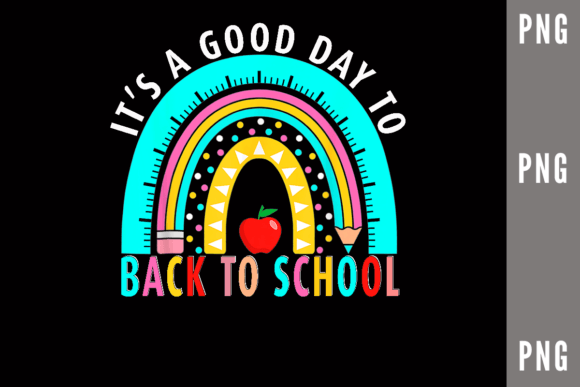
It a Good Day to Back to School Tie Dye
The phrase "It a Good Day to Back to School Tie Dye" encapsulates a vibrant and creative approach to the start of the school year. This concept is more than just a catchy saying—it represents an opportunity to infuse energy, creativity, and personal expression into the educational journey. Whether you're a teacher, student, or parent, incorporating tie dye elements into back-to-school preparations can make the transition smoother and more engaging.
For educators, this idea can be a powerful tool for setting the tone in the classroom. A tie-dyed banner or wall decoration can signal a fresh start and inspire students to embrace learning with enthusiasm. For students, it offers a way to personalize their belongings, making the school experience more meaningful and enjoyable. Parents can use it as a fun activity to involve their children in preparing for the new academic year, fostering a sense of excitement and ownership over their education.
Understanding the Role of It a Good Day to Back to School Tie Dye in Creative Projects
The concept of "It a Good Day to Back to School Tie Dye" fits naturally into various creative workflows. From graphic design to handmade crafts, this theme provides a versatile foundation for projects that require visual appeal and personalization. The availability of a high-resolution PNG file with a transparent background makes it easy to integrate these designs into a wide range of applications.
For instance, if you're creating custom t-shirts for a school event, the tie-dye design can serve as a central element. You can use the PNG file to print directly onto fabric using sublimation techniques or screen printing. Similarly, if you're designing greeting cards or scrapbook pages, the image can be layered with other elements to create a cohesive and eye-catching look. The flexibility of the file format allows for seamless integration into different design software, making it accessible for both beginners and professionals.
Practical Applications and Workflow Integration
When planning a project that involves "It a Good Day to Back to School Tie Dye," it's essential to consider how the design will fit into your overall workflow. Before starting, take time to define your goals and identify the specific use cases for the design. Are you looking to create promotional materials, personalized items, or classroom decorations? Each application may require a slightly different approach.
During the execution phase, ensure that you have the right tools and resources. A design editing program that supports PNG files is necessary for making any adjustments to the image. If you're working on a digital project, consider how the design will appear on different screens and devices. For physical prints, keep in mind that color accuracy may vary depending on your printer and paper type. Testing a small sample before mass production can help avoid unexpected results.
After completing the project, evaluate its effectiveness and gather feedback. Did the design meet your expectations? Was it well-received by the intended audience? These insights can inform future decisions and help refine your process. By treating each project as a learning opportunity, you can continuously improve your workflow and achieve better outcomes.
Enhancing Creativity Through Collaboration and Planning
Incorporating "It a Good Day to Back to School Tie Dye" into your work often involves collaboration with others. Whether you're working with a team, a client, or a community group, clear communication is key to ensuring everyone is aligned with the vision. Share the design files early in the process so that others can provide input and make suggestions.
Planning ahead also helps streamline the implementation of the design. Organize your files, set deadlines, and allocate resources appropriately. If you're using the design for multiple purposes, such as both digital and physical media, create separate versions of the image to suit each format. This attention to detail can save time and reduce errors down the line.
Additionally, consider the long-term use of the design. Will it be relevant for future projects? Can it be adapted for different themes or events? By thinking about scalability and versatility, you can maximize the value of your creative assets and minimize the need for repeated design work.
Ensuring Quality and Consistency Across Different Mediums
One of the challenges of using "It a Good Day to Back to School Tie Dye" across different mediums is maintaining quality and consistency. The PNG file provided is a high-resolution image, but the final output may vary depending on how it's printed or displayed. To ensure the best results, follow best practices for each medium.
For digital use, check that the image is properly formatted and optimized for web or mobile viewing. For print, use a high-quality printer and choose the right paper type to preserve the vibrancy of the colors. If you're creating custom merchandise, test the design on a small batch before producing a larger quantity. This step can help identify any issues with color reproduction or image clarity.
Consistency is also important when using the design in multiple contexts. If you're creating a series of related items—such as a set of greeting cards or a collection of t-shirts—ensure that the design elements are uniform. This not only enhances the visual appeal but also reinforces brand identity and professionalism.
Maximizing Efficiency and Productivity in Your Workflow
Efficiency is crucial when working with creative projects like "It a Good Day to Back to School Tie Dye." Streamlining your workflow can help you complete tasks faster while maintaining quality. Start by organizing your files and setting up a dedicated workspace. Having everything you need within reach can reduce distractions and improve focus.
Use templates and pre-designed elements where possible to speed up the design process. If you're working with multiple versions of the tie-dye image, create a folder structure that makes it easy to locate and access each file. This organization can save time and prevent confusion, especially when working on complex projects.
Finally, take advantage of automation tools where applicable. Some design software offers features that can help with repetitive tasks, such as batch processing or color correction. By leveraging these tools, you can free up more time for creative decision-making and strategic planning.